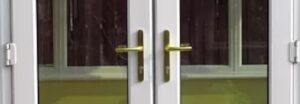
How to Fix a Door Handle: A Comprehensive Guide
Door handles, frequently taken for granted, are vital components of our homes. They supply gain access to, enhance security, and contribute to the overall aesthetic of any area. Sadly, like any mechanical gadget, door handles can malfunction due to use and tear, inappropriate installation, or other issues. This short article will offer an in-depth guide on how to identify problems, repair, and maintain door handles effectively, guaranteeing seamless operation and durability.
Common Issues With Door Handles
Before diving into the steps to fix a door handle, it's important to comprehend the common issues that may emerge. Acquainting yourself with these problems can assist you identify the required action to take.
1. Loose Handle
A loose door handle is possibly the most common concern. It can take place due to screws that have ended up being loose over time or hardware that has worn out.
2. Sticking Mechanism
If the handle feels stiff or does not turn smoothly, it may be because of debris buildup or a malfunctioning lock.
3. Broken Knob or Handle
Physical damage can result in a broken knob or handle, rendering it either tough to use or difficult to operate.
4. Misalignment
With time, doors settle, and as a result, the mechanisms may become misaligned, leading to difficulty turning or closing the door entirely.
5. Rust or Corrosion
For exterior handles, rust or rust can be a significant concern, specifically if the handle is made from metal and exposed to extreme weather condition.
Tools and Materials Needed
Before beginning the repair, it's necessary to collect the necessary tools and materials:
Tools
- Screwdriver (Phillips and flat-head)
- Allen wrench (if appropriate)
- Pliers
- Hammer
- Energy knife
Materials
- Replacement screws (if required)
- Lubricant (WD-40 or silicone spray)
- Replacement handle/knob (if needed)
- Cleaning cloth
Step-by-Step Guide to Fixing a Door Handle
Follow these steps to troubleshoot and fix your door handle.
Step 1: Identify the Problem
Begin by observing the door handle closely. Look for any movement or noise when running the handle. Determine whether the handle is loose, sticking, or broken. Next, try to determine potential obstructions or issues in the lock mechanism.
Step 2: Disassemble the Handle
Utilizing the appropriate screwdriver, remove any screws securing the handle. If there are no visible screws, try to find a little set screw on the handle itself, which can frequently be loosened up with an Allen wrench. Keep all screws in a safe location for reassembly.
Action 3: Inspect the Mechanism
As soon as taken apart, inspect the internal operations of the door handle. Look for:
- Worn-out or broken parts
- Debris or dirt blocking the mechanism
- Misalignment of the latch
Step 4: Clean the Components
Utilizing a cleaning fabric, wipe down all dealt with parts to remove dirt, dust, or debris. If needed, utilize the energy knife to scrape away stubborn grime.
Step 5: Repair or Replace Parts
Depending upon the damage observed:
- Loose Handle: Retighten the screws or change worn-out hardware.
- Sticking Mechanism: Apply lubricant to the lock and the handle's moving parts.
- Broken Knob/Handle: Replace with a new handle or knob that matches the old one.
- Misaligned Mechanism: Adjust the latch strike plate or rearrange the whole handle assembly.
- Rust or Corrosion: Use a rust eliminator for impacted locations or consider totally changing the handle.
Action 6: Reassemble the Handle
After dealing with the issues, thoroughly reattach the handle and ensure all screws are tight. Test the handle's operation by turning it and unlocking to confirm everything is working efficiently.
Step 7: Final Checks
After reassembly, inspect the door positioning. If it's still misaligned, consider changing the hinges or strike plate. This makes sure that not just does the handle function correctly, however the door also closes securely.
Maintenance Tips for Door Handles
Regular maintenance can prevent lots of door handle issues. Here are some tips for keeping your door handles in ideal condition:
- Lubricate: Periodically use a lube to the latch and handle systems to prevent stiffness.
- Tighten Screws: Check screws every couple of months and retighten as necessary to prevent loose handles.
- Tidy Regularly: Wipe the handles with a moist cloth to avoid dirt accumulation.
- Check for Damage: Regularly check for indications of wear, rust, or damage, specifically for exterior handles.
Frequently Asked Questions about Door Handle Repair
Q1: How do I understand if my door handle is broken?
A1: If the handle feels loose, is hard to turn, or completely separated, it is likely broken. Inspect all screws and internal parts for exposure of any damage.
Q2: Can I fix a door handle myself?
A2: Yes, many door handle issues can be solved with standard tools and a little knowledge. Nevertheless, if quick door handle repair encounter significant problems, speaking with a professional might be a good idea.
Q3: How often should I keep my door handles?
A3: A great practice is to perform maintenance checks every few months, consisting of lubrication and evaluation for any wear or looseness.
Q4: What kinds of door handles are easier to repair?
A4: Simple knob-style handles are normally easier to repair than more complex lever-style handles or electronic locks.
Q5: What should I do if my door handle will not open?
A5: Try lubricating the latch mechanism first. If that does not work, inspect for misalignments or damage. If the issue continues, consider calling a locksmith professional.
By accepting these steps and maintenance tips, house owners can resolve door handle issues efficiently and ensure their doors work properly for many years to come. Ignoring these easy repairs could lead to more considerable issues, but with the best understanding and tools, a malfunctioning door handle can be quickly repaired.